
Protect Your Art
Aftercare Guide
Tattoo Aftercare
The Importance of Tattoo Aftercare
Proper aftercare is crucial for the healing process and longevity of your new tattoo. By following the right steps, you can prevent infections, reduce scabbing, and ensure that your tattoo retains its vibrant colors and sharp details. Neglecting aftercare can lead to complications, fading, and even damage to the artwork. Our comprehensive guide provides you with the knowledge you need to care for your tattoo effectively, ensuring it remains a stunning piece of art for years to come.
Piercing Aftercare
The Importance of Piercing Aftercare
Proper aftercare is absolutely essential for a smooth and healthy healing process for your new piercing. By sticking to the right cleaning routine, you’ll significantly lower the risk of infection, minimize irritation, and help your piercing settle in comfortably. Ignoring aftercare can lead to nasty infections, prolonged healing times, and even rejection of the jewelry – definitely not what you want!
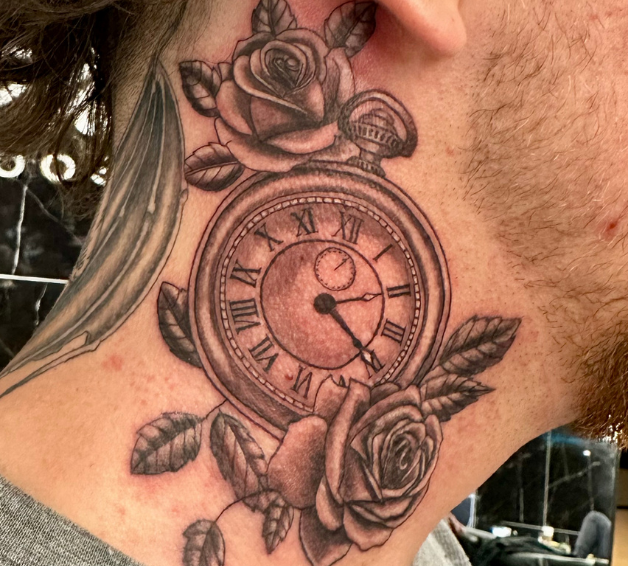
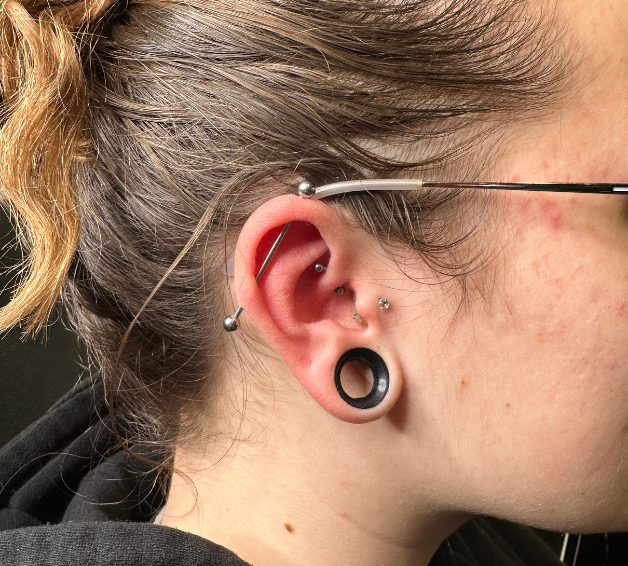
Tattoo Aftercare Your Questions Answered
What should I do to prepare for my tattoo session?
Ensure to be well rested and have eaten within the last hour before your appointment.
Avoid alcohol for 48 hours before your appointment. This affects the viscosity of your
blood and how long the stencil stays on you and diminishes your pain tolerance. DO
NOT use any blood thinners ie; Advil, Aleeve. If you take blood thinners please consult
with your doctor to know if a tattoo is advised.
If your tattoo session is booked for over an hour, please feel free to bring snacks and
beverages as well as entertainment ie book, music or movies.
How do I care for my new tattoo?
Keep the tattoo clean and moisturized. Avoid direct sunlight and swimming until fully healed. Follow the artist’s aftercare instructions closely..
Why is sugar so important for tattoos and piercings?
When getting tattooed or pierced, your body produces endorphins.
Endorphins are the body’s natural painkillers. Released by the hypothalamus and
pituitary gland in response to pain or stress, this group of peptide hormones both
relieves pain and creates a general feeling of well-being. – Harvard Health
This is created by using oxygen; so how well your breathing as well as the sugar in
your blood, how well you ate.
Piercings Aftercare Your Questions Answered
Why is proper aftercare so important for my new piercing?
A: Proper aftercare is crucial for preventing infections, minimizing irritation, and ensuring your piercing heals smoothly and successfully. Neglecting aftercare can lead to complications like infections, prolonged healing times, and even rejection of the jewelry.
How often should I clean my new piercing?
A: Clean your piercing twice a day. Over-cleaning can also irritate the piercing.
What should I use to clean my piercing?
A: The best solution for cleaning most piercings is a sterile saline solution.
How do I clean my piercing?
A: Wash your hands thoroughly before touching your piercing. Gently spray the sterile saline solution directly onto the piercing or soak the piercing in the solution for 5-10 minutes (for some piercings like earlobes or nostrils). Pat the area dry with clean, sterile non-woven gauze or allow it to air dry. Avoid using cotton balls or swabs.
Can I use soap, rubbing alcohol, or hydrogen peroxide to clean my piercing?
A: No! These substances are too harsh and can irritate the piercing, delay healing, and even damage the tissue. Stick to sterile saline solution.
How long will my piercing take to heal?
A: Healing times vary depending on the location. Here are some general estimates:
* Earlobes: 6-8 weeks
* Cartilage: 3-12 months
* Nostril/Septum: 2-4 months
* Lip/Labret: 2-3 months
* Tongue: 4-6 weeks
* Navel: 6-12 months
* Nipple: 3-6 months
* Surface/Industrial: 6-12+ months
* Dermal anchors: 3-6+ months
What should I do for long-term care of my healed piercing?
A: Once your piercing is fully healed, continue to keep it clean and wear quality jewelry to prevent irritation..
Who should I contact if I have questions or concerns about my piercing?
A: Your professional piercer is your best resource for specific aftercare instructions and for addressing any questions or concerns you may have during the healing process. Don’t hesitate to reach out to us !
Is it okay to touch my piercing?
A: Avoid touching your piercing unless you are cleaning it. Always wash your hands thoroughly with soap and water before touching it.
Should I twist or turn my jewelry?
A: Generally, it’s best to avoid unnecessary twisting, turning, or sliding of your jewelry as this can irritate the healing tissue. Some piercers might recommend gentle movement during cleaning to prevent the jewelry from sticking, so follow your piercer’s specific advice.
What are those crusties that form around my piercing? Should I remove them?
A: Crusties are a natural part of the healing process and are made up of dried lymph fluid. Don’t pick at them. Gently soften them with saline solution during cleaning, and they will come away on their own.
What should I avoid while my piercing is healing?
A: Avoid harsh chemicals (soaps, shampoos, lotions, cosmetics), public bodies of water (pools, hot tubs, lakes, oceans), oral contact (for oral piercings), and activities that put direct pressure or friction on your piercing. Wear clean, loose-fitting clothing.
Is some redness, swelling, or discharge normal?
A: Yes, some redness, swelling, tenderness, and a small amount of clear or whitish fluid are normal during the initial healing phase.
When should I be concerned about my piercing?
A: Signs of infection include increased pain, heat, excessive redness or swelling, thick yellow or green discharge, and a foul odor. If you suspect an infection, do not remove your jewelry and seek advice from your piercer or a healthcare professional immediately.
Will I need to change my jewelry?
A: For some piercings, your piercer may recommend downsizing to a shorter post or smaller diameter jewelry once the initial swelling has gone down. Follow your piercer’s advice on when and how to do this.
Can I take my jewelry out if it looks healed?
A: Even if your piercing looks healed on the outside, the tissue inside may still be fragile. Removing your jewelry too soon can cause the piercing to close up. Follow your piercer’s guidance on when it’s safe to change or remove your jewelry.